Construction
Overview
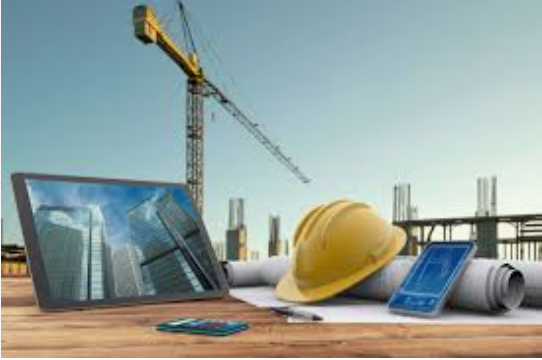
Construction is the foundation upon which civilizations stand — the physical expression of human ambition. Over fifty years of working alongside developers, engineers, and policymakers, I have seen the industry evolve from manual craft to mechanized production, and now into an era of smart, sustainable, and technology-driven transformation.
Today, construction is not only about building structures; it is about building intelligently, responsibly, and purposefully. The cities of the future will not just house people — they will nurture communities, preserve nature, and embody innovation.
Industry Dynamics
The global construction industry is undergoing a profound shift driven by digitalization, sustainability, and new materials. Building Information Modeling (BIM) has redefined project management, enabling architects, engineers, and contractors to collaborate on a single digital platform. It allows for real-time design coordination, cost forecasting, and lifecycle optimization — transforming how buildings are conceived and delivered.
Meanwhile, modular and prefabricated construction is reducing time, cost, and waste by shifting assembly from on-site labor to controlled manufacturing environments. Smart construction technologies — including drones, IoT sensors, and 3D printing — are enhancing accuracy, safety, and efficiency. With the help of AI and predictive analytics, companies can now anticipate maintenance needs, track sustainability performance, and optimize resource usage across projects.
Most importantly, the industry is embracing green building principles. Developers and investors are prioritizing energy efficiency, renewable integration, and eco-friendly materials. Certifications such as LEED, WELL, and Green Star are no longer optional — they are now global benchmarks of quality, responsibility, and innovation.
Core Challenges
Despite innovation, construction remains one of the most complex and risk-laden sectors. Cost volatility — driven by inflation, material shortages, and supply chain disruptions — continues to challenge profitability. Regulatory fragmentation across regions adds compliance burdens, especially for international firms navigating environmental and safety standards.
Labor shortages present another critical issue. The next generation of skilled workers must blend traditional craftsmanship with digital literacy — operating advanced equipment, managing software platforms, and understanding sustainability metrics. Without this transformation, the industry risks losing both productivity and knowledge.
Additionally, carbon emissions from construction and building operations account for a major share of global climate impact. Reducing this footprint requires bold innovation — from low-carbon cement and recycled steel to energy-positive building designs. The shift toward circular construction models — where materials are reused and structures are designed for disassembly — will redefine competitiveness in the coming decade.
Strategic Outlook
The future of construction lies in the intersection of technology, sustainability, and collaboration.
Smart design: data-driven planning that integrates AI, BIM, and real-time analytics.
Green innovation: zero-carbon materials, renewable-powered sites, and energy-efficient operations.
Digital project ecosystems: cloud-based collaboration linking developers, contractors, and investors in unified platforms.
Urban resilience: designing cities that adapt to climate change, population growth, and resource constraints.
Success will depend on companies’ ability to align construction goals with long-term environmental and societal value.
Takeaway
Construction is no longer just an industry — it is a responsibility. The structures we build today will shape the sustainability, safety, and spirit of the generations that follow.
In the era of intelligent building, excellence is measured not by the height of towers, but by the depth of foresight.
The future belongs to builders who understand that innovation and integrity must stand on the same foundation — creating spaces that serve humanity, not just house it.