ESG

Overview
Environmental, Social, and Governance (ESG) principles are no longer optional — they define how modern enterprises earn trust, capital, and long-term relevance. Over five decades working with corporations, I’ve witnessed the shift from compliance-driven sustainability reports to purpose-driven business strategies. ESG today is not a campaign or certificate; it is an operating philosophy that aligns profit with responsibility. It challenges leaders to ask not only how much they grow, but how they grow — and whether that growth leaves a positive footprint on society and the planet.
Industry Dynamics
The global economy is entering an age of accountability. Investors, regulators, and consumers expect measurable impact, not promises. ESG is now integrated into every major investment mandate — shaping access to capital, valuation, and reputation.
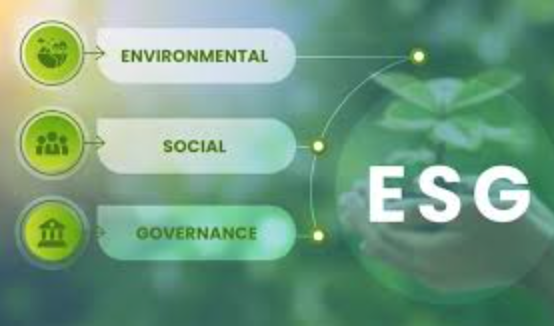
The environmental pillar focuses on decarbonization, resource efficiency, and circular production. Social factors include workforce well-being, diversity, and community inclusion. Governance demands integrity, transparency, and ethical decision-making. When these three pillars align, they create a resilient enterprise capable of adapting to regulatory, climate, and social shifts.
Leading companies have realized that ESG is a strategic advantage, not a burden. Green buildings attract better tenants, sustainable supply chains reduce risks, and inclusive workplaces boost innovation. As I often tell executives — sustainability is no longer a cost center; it is a performance driver.
Core Challenges
Despite global progress, ESG still faces structural challenges. Standardization remains fragmented — multiple frameworks and inconsistent metrics make benchmarking complex. Data integrity is another concern; many organizations lack reliable systems to measure real impact. Greenwashing, or overstating sustainability claims, undermines market trust.
Moreover, transition management is difficult. Shifting to low-carbon operations or ethical sourcing often requires major investment and cultural change. Executives must balance financial performance with transformation costs — and communicate that journey transparently.
The human element is equally critical. Without leadership conviction and workforce engagement, ESG initiatives remain superficial. True transformation starts when sustainability becomes embedded in daily operations, not just boardroom rhetoric.
Strategic Outlook
The future of ESG is integration.
Digital transparency: technology such as blockchain and data analytics will verify environmental and social metrics in real time, ensuring accountability.
Climate-positive operations: net-zero and regenerative business models will define market leadership.
Social equity and inclusion: the “S” in ESG will gain prominence as societies demand fair wages, diversity, and ethical labor practices.
Investor alignment: capital markets will continue rewarding companies that demonstrate sustainable governance and measurable impact over speculation.
Takeaway
ESG marks a fundamental evolution in business thinking: success measured not only by return on investment but by return on integrity. The companies that thrive in the decades ahead will be those that treat sustainability as strategy — not compliance.
In essence, ESG is about creating systems that endure. When environmental stewardship, social value, and governance ethics converge, they generate a brand of leadership that the world both respects and rewards.